
Professional Geotechnical Solutions
Get In Touch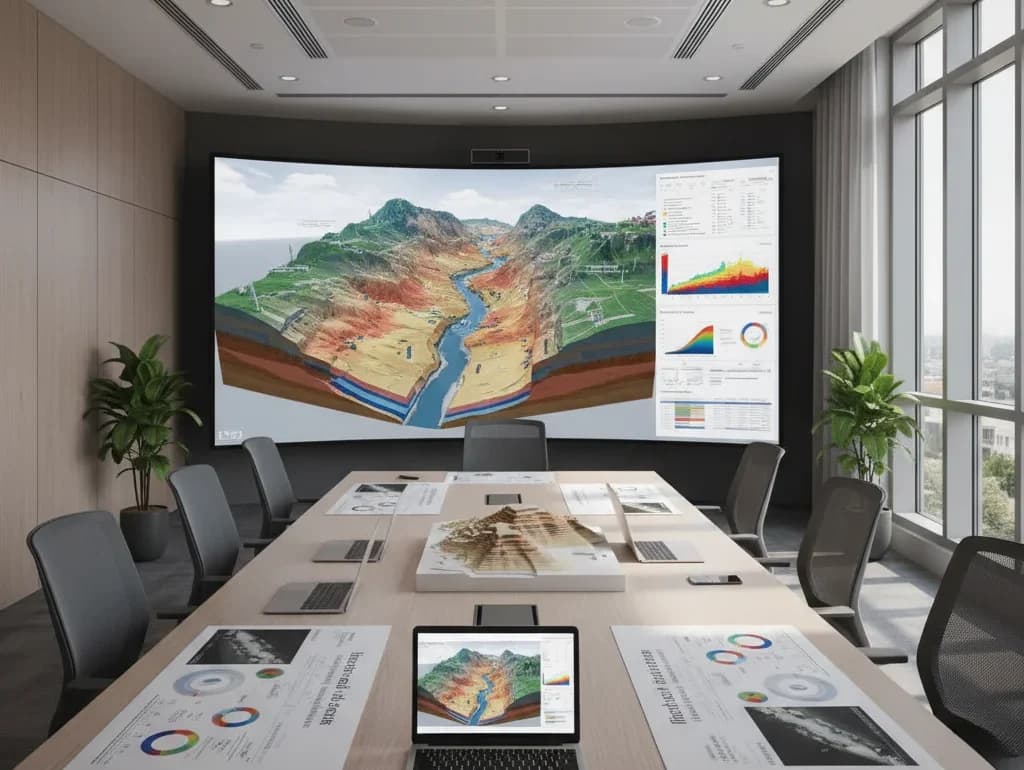
GIR AI is an advanced engineering intelligence platform designed to automate and accelerate the preparation of Geotechnical Interpretive Reports (GIRs). The platform transforms borehole logs, laboratory testing, field investigation data, geological information, and historical project records into engineering interpretations, design parameters, risk assessments, and professional geotechnical reports.
By combining artificial intelligence, geotechnical engineering knowledge, standards-based reasoning, and human expert review, GIR AI enables organizations to move from raw subsurface data to engineering-ready recommendations faster and more consistently than traditional workflows.
The platform acts as an intelligent geotechnical advisor, helping engineers interpret site conditions, assess ground risks, derive engineering parameters, and generate technically robust reports.
Producing Geotechnical Interpretive Reports requires significant engineering expertise, technical analysis, and professional judgment. Engineers must review large volumes of investigation data, identify geological patterns, develop conceptual ground models, derive engineering parameters, evaluate uncertainties, and prepare comprehensive technical narratives.
Common challenges include:
As projects become larger and more complex, organizations need smarter tools to support geotechnical decision-making and reporting.
GIR AI transforms geotechnical data into engineering intelligence.
The platform analyzes borehole logs, laboratory testing results, CPT data, geological information, monitoring records, and historical project knowledge. It applies geotechnical engineering principles, industry standards, and AI-powered reasoning to interpret subsurface conditions, classify geological units, derive engineering parameters, identify risks, and generate draft Geotechnical Interpretive Reports.
Rather than replacing engineers, GIR AI acts as an intelligent decision-support system that accelerates interpretation while keeping engineers in control of final review and approval.
The result is faster report delivery, improved consistency, enhanced risk identification, and more informed engineering decisions.
Transform raw investigation data into engineering insights and technical conclusions.
Automatically identify subsurface layers and generate geological profiles across investigation locations.
Classify materials using recognized engineering standards and geotechnical best practices.
Estimate engineering properties such as strength, stiffness, permeability, bearing capacity, and settlement characteristics.
Generate conceptual 2D and 3D subsurface models to support engineering assessment and design.
Identify variability, data gaps, confidence levels, and potential geotechnical risks.
Apply engineering reasoning aligned with industry standards and geotechnical guidelines.
Generate technical narratives, engineering discussions, and draft interpretive reports automatically.
Perform consistency checks, anomaly detection, and standards compliance reviews.
Provide engineers with full transparency, editable outputs, and final approval control.
Users upload borehole logs, laboratory testing results, CPT records, geological maps, field observations, monitoring data, and historical reports.
The system extracts, standardizes, validates, and structures geotechnical information into a unified engineering dataset.
GIR AI applies geotechnical knowledge, engineering rules, standards libraries, and AI reasoning models to evaluate subsurface conditions.
The platform develops geological models, engineering parameters, stratigraphic profiles, and risk assessments.
A draft Geotechnical Interpretive Report is automatically prepared, including engineering narratives, technical discussions, figures, tables, and recommendations.
Qualified engineers review, refine, and approve outputs before final report issuance.
Applies soil mechanics, rock mechanics, engineering geology, and geotechnical engineering principles to support interpretation.
Utilizes standards, guidelines, and industry best practices to ensure consistency and compliance.
Analyzes geotechnical data, identifies patterns, and develops engineering conclusions using advanced AI reasoning capabilities.
Performs preliminary engineering assessments including bearing capacity evaluation, settlement estimation, and geotechnical risk screening.
Highlights variability, missing information, confidence levels, and potential investigation limitations.
Creates stratigraphic profiles, subsurface interpretations, and conceptual ground models from available data.
While factual reporting focuses on presenting investigation results, geotechnical interpretation requires understanding what those results mean from an engineering perspective.
This process often depends on highly experienced professionals who must evaluate large datasets, identify trends, compare historical information, and make technically defensible decisions.
GIR AI supports these activities by combining engineering knowledge, organizational experience, historical project intelligence, and AI-powered reasoning into a single decision-support platform.
The result is faster, more consistent, and more transparent engineering interpretation.
Modern infrastructure, construction, mining, energy, and development projects require increasingly sophisticated geotechnical assessments. As project complexity grows, organizations need tools that help engineers interpret data efficiently while maintaining technical rigor.
GIR AI enables organizations to scale engineering expertise, standardize reporting quality, and improve decision-making across their geotechnical operations.
Reduce the time required to prepare Geotechnical Interpretive Reports while maintaining technical quality.
Standardize engineering interpretations across teams, offices, and projects.
Allow engineers to focus on technical judgment rather than repetitive report preparation.
Detect subsurface risks, uncertainties, and data gaps earlier in the project lifecycle.
Utilize historical projects, lessons learned, and engineering expertise across the organization.
Provide data-driven engineering insights supported by transparent reasoning and evidence.
Ensure reports align with company standards, engineering practices, and regulatory expectations.
Enable organizations to deliver more projects without proportionally increasing specialist resources.
GIR AI is a product of Pineuron, Melbourne, VIC, Australia.

